Getting Free · 4 min read
The Rice Year
At twenty-four I owed fourteen thousand dollars.
I want to be clear that I didn’t owe it to anyone frightening. I owed it to four credit cards, a tailor in Dallas, and a jeweler who’d sold me a watch I wore exactly twice. It was a very well-dressed kind of debt.
I was a year out of architecture school, drawing other people’s buildings at a big firm downtown, and I’d decided that the fastest way to become a successful architect was to look like one. So I bought the glasses. The shoes. The good coat that made a sound when you put it on. I ate at the places where the partners ate. I picked up tabs I had no business picking up, because I’d convinced myself that generosity was a kind of investment and the returns were coming any minute now.
They weren’t coming. They were never coming. I was paying a monthly fee to be someone I hadn’t become yet.
June and I had been dating about a year. She was finishing her accounting degree, which, in hindsight, I should have treated as a warning.
One Sunday she came over and sat on a pile of my mail. She wasn’t snooping. The mail was on the couch. She pulled out a statement, read it, looked at me over the top of it, and asked if she could see the others.
I told her they were basically the same.
“Then this won’t take long,” she said.
It took two hours. She built a spreadsheet on my laptop with every card, every balance, every rate, every minimum. Then she added one more column. She titled it “what you have to show for it,” and she filled it in by interviewing me. The watch. The coat. A lot of dinners for people who wouldn’t remember my name. A weekend in Las Vegas I didn’t fully remember either.
When she was done she turned the screen around.
“You don’t have a money problem,” she said. “You have a story problem. You’ve been financing a character.”
Nobody can afford the man he’s pretending to be. Not even the man himself.
That landed, because it was true. I’d grown up in a small town where my granddad ran the hardware store on the square, a place where people bought one good hammer and used it for thirty years. And I’d moved to the city and decided the way to belong was to arrive already finished. The talent was real. Everything I’d wrapped around it was on credit.
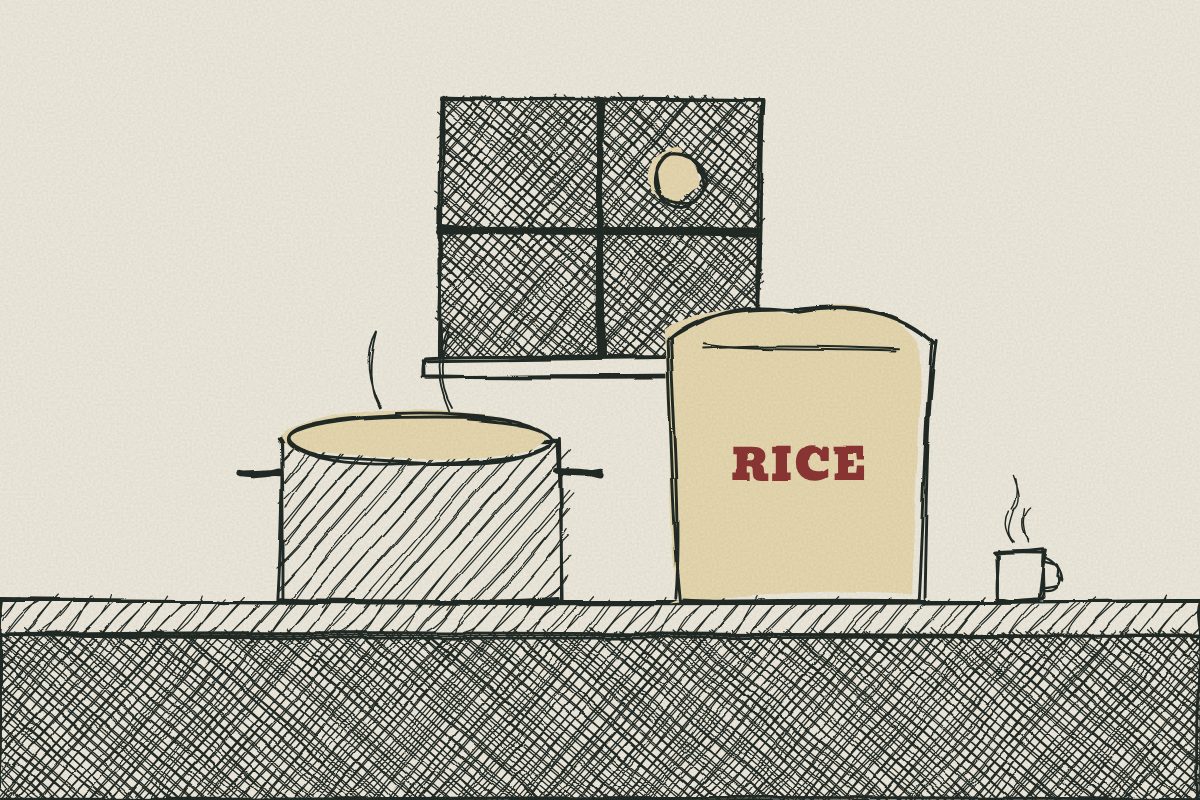
So I made a deal with myself. It’s still the best deal I ever made. For one year, every dollar I didn’t need went to the cards. Smallest balance first, so I could feel the wins stack. No new anything. And because I have a weakness for a grand gesture, I bought a twenty-pound bag of rice and declared it dinner until the first card hit zero.
It hit zero in seven weeks. I have never been prouder of a number.
The guys at the firm noticed I’d stopped coming out. A few of them gave me grief. One of the senior partners, a quiet man who’d lived through the crash in the eighties, found me at the coffee machine one morning and said, “Don’t let them talk you out of it. Half of them are buying rounds on the same cards you’re paying off.”
I think about that all the time. Confidence you can borrow isn’t confidence. It’s a loan with good lighting.
The second card took three months. The jeweler took longer. By the next fall I was clear, and I could make rice five different ways, and I’d learned something better than either of those. Broke isn’t a hole you fall into. It’s a season you work your way out of, one small, unglamorous win at a time.
June and I got married two years later. She still runs the family spreadsheet. It has grown a lot of tabs. But the first column she ever made is still in there, on a tab nobody else ever opens.
What you have to show for it.
I check that column before I buy anything I’d be tempted to post a picture of. It’s saved me more money than any raise I ever got.