The Long Game · 3 min read
Pop’s Coffee Can
My granddad never trusted himself around money.
He trusted the bank just fine. He ran the hardware store on the square for forty years and never once missed a payment on anything. What he didn’t trust was the conversation that happened in his own head when he could see a balance. He used to say money you can see is money you start making plans for, and most plans are just spending wearing a nicer shirt.
So he had the can.
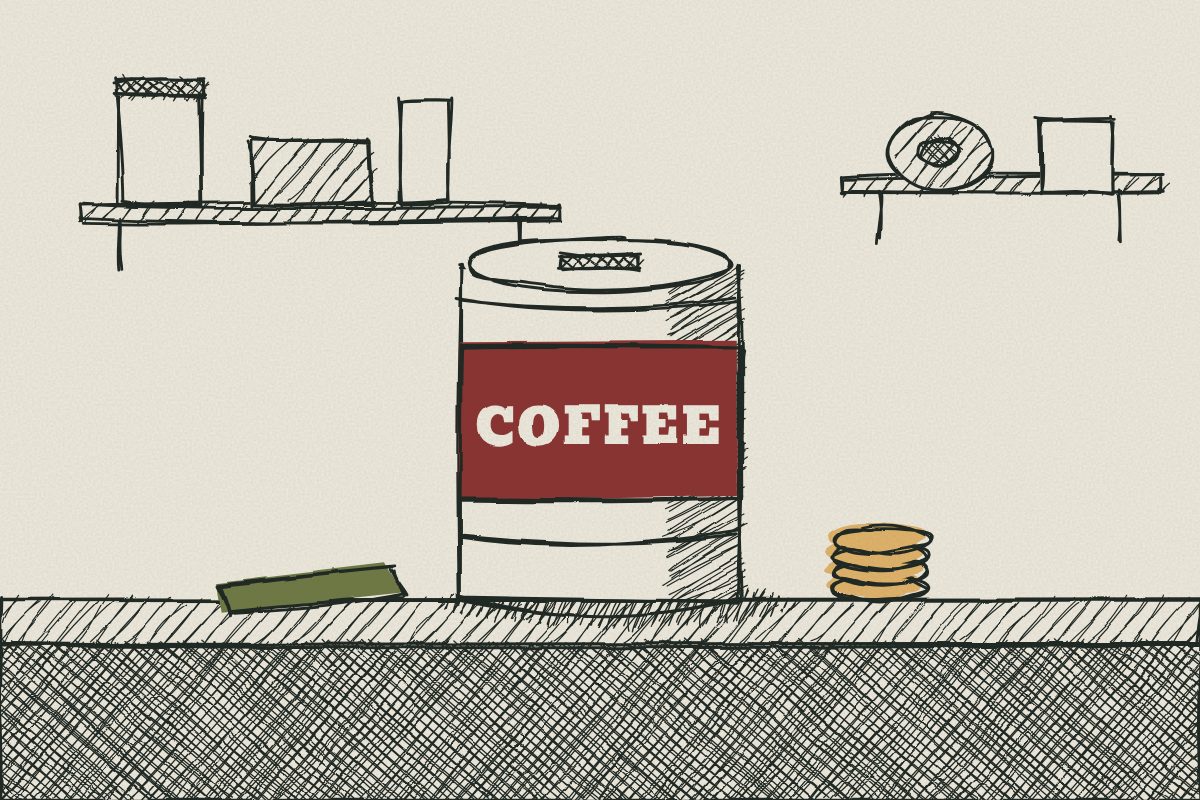
It was a big coffee can on the top shelf of the hall closet, behind my grandmother’s good hats. Every Saturday after he closed up, something went in. A twenty if it had been a good week. A five if it hadn’t. Once I watched him drop in a single quarter and give the can a little shake, like he wanted to be sure it landed where it could see the others.
When I was ten I asked him what he was saving for.
He took his time. He always took his time. It was one of his gifts, and it drove my grandmother crazy.
“I’m not saving for anything,” he said. “I’m saving against something.”
I didn’t understand it. I filed it under things old men say to end a conversation.
Pop died the summer I turned eighteen. After the funeral my grandmother brought the can down and set it in the middle of the kitchen table, and the whole family stood around it like it might be a treasure chest. A little over three thousand dollars.
Somebody said huh. My uncle, who’d been hoping for more, said huh a good deal louder.
My grandmother counted it twice and told us what it had been, over the years. The new roof on the store after the hailstorm. My mother’s first semester of college, which I had never known about. The month in 1983 when business went quiet and payroll didn’t. That can had been emptied and refilled more times than anyone could count. Three thousand was simply where it happened to be standing when he stopped.
And that’s when I understood him.
Saving for something buys you a thing. Saving against something buys you a life that can take a punch.
Pop wasn’t building a pile. He was building a habit that could take a hit and keep its footing. The can was never supposed to make him rich. It was supposed to make sure one bad thing never had the chance to turn into three.
I have one now. Not a can. It’s a separate account at a different bank from the one where my paycheck lands, which is the modern version of a high shelf behind the hats. A little goes in automatically every month, and I mostly leave it alone. That’s the entire trick. Out of sight isn’t out of mind. It’s out of reach.
Last spring my daughter Casey, who is sixteen and asks questions like a prosecutor, saw it on my banking app and wanted to know why I had an account named POP.
So I told her about the can.
She was quiet for longer than I expected. Then she picked up her own phone, opened her bank, and made an account. Named it POP. Moved eleven dollars of babysitting money into it and turned the screen toward me without a word.
I’ve designed buildings I’m proud of. That might be the best thing I ever built.
Habits are the only savings account nobody can raid.